URLs stories
In a two-day workshop, we will collectively develop a collaborative online publication focusing on the theme of URLs.
In a two-day workshop, we will collectively develop a collaborative online publication focusing on the theme of URLs.

An URL (Uniform Resource Locator) is a unique identifier used to locate a resource on the Internet. It is also referred to as a web address.
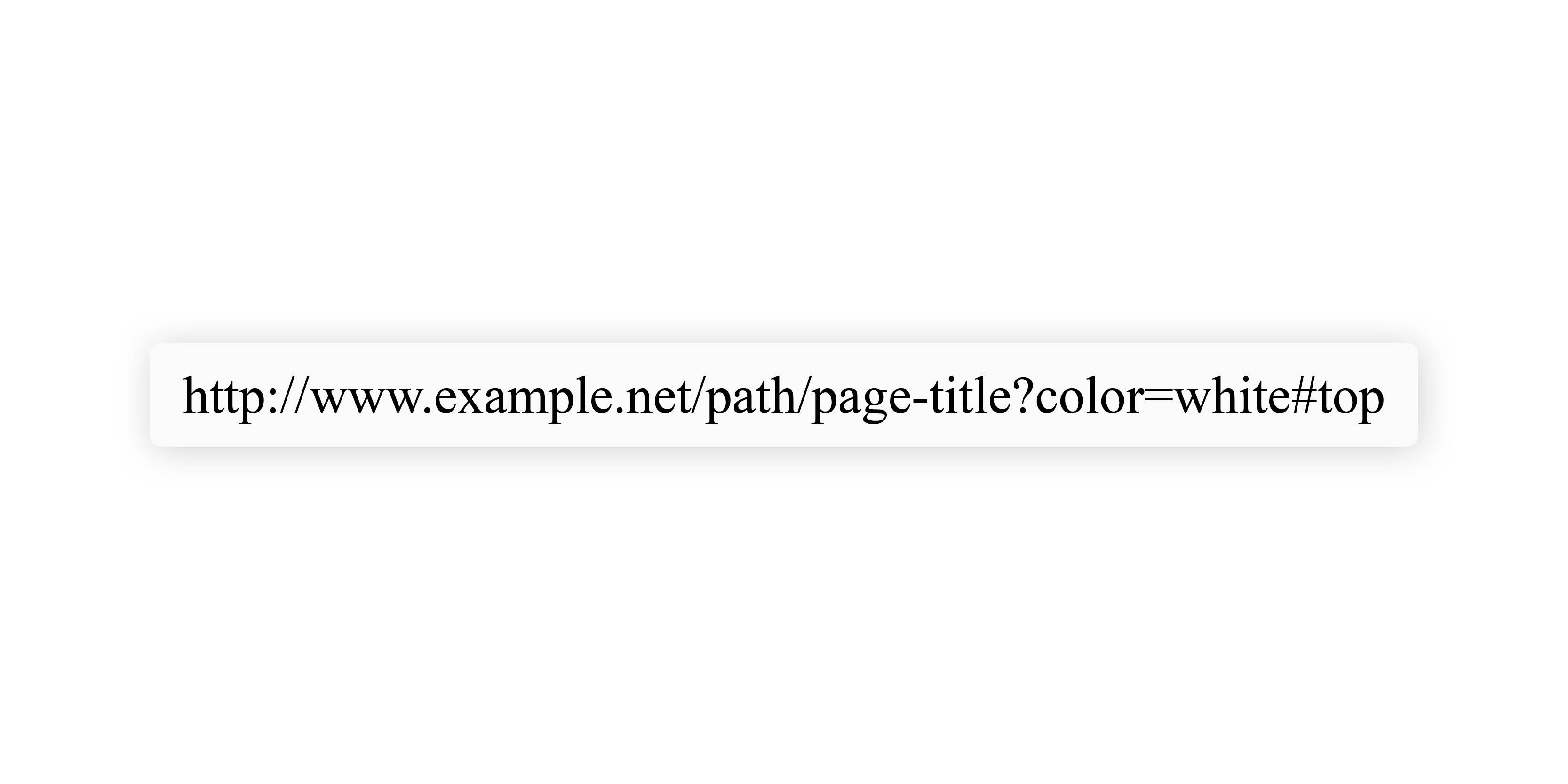
URLs consist of multiple parts (protocol, domain name, path, TLD… ) that tell a web browser how and where to retrieve a resource.
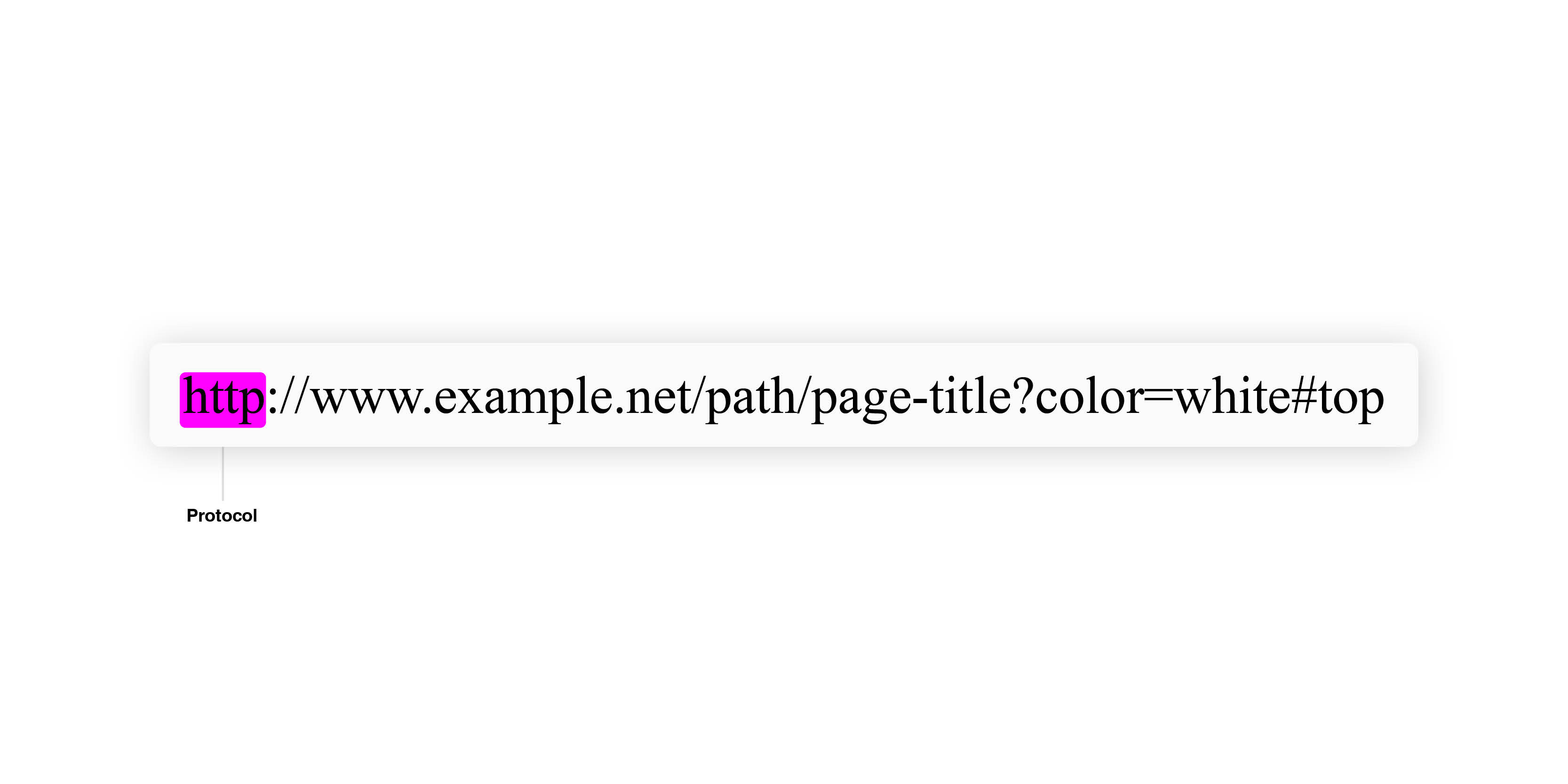
The protocol directs your browser’s connection to a webpage. It can be HTTP (Hypertext Transfer Protocol) or HTTPS (Hypertext Transfer Protocol Secure).
HTTPS encrypts data between the server and browser, protecting user information (like logins and credit cards). Sites with a lock icon use HTTPS; “Not Secure” warnings indicate HTTP usage.
Why do some website still use HTTP?. It requires an SSL (Secure Sockets Layer) Certificate, costing €10-€100 yearly. For advanced features or higher security (insurance, warranty), prices can exceed €1000 annually.
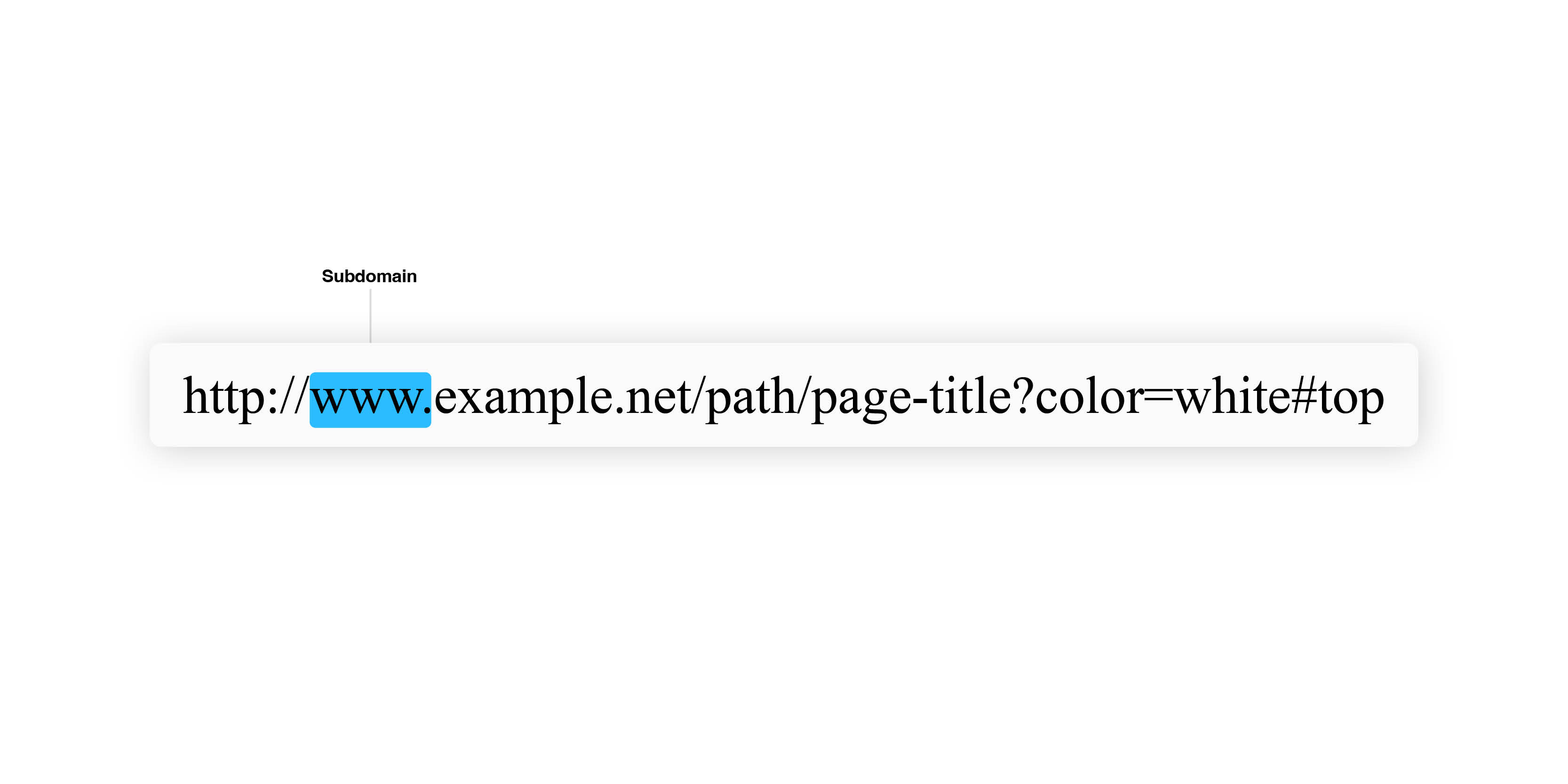
A subdomain is an extra part of a website’s domain name used to organize specific content or functions, like a blog or online store, placed at the start of the domain.
The common subdomain is “www,” representing a website’s main pages. It’s typically included by default in domain purchases.
Subdomains also give unique names to website sections like departments or services. For instance, Google uses subdomains like drive.google.com and translate.google.com. Wikipedia uses subdomains for different languages, such as ‘en’ for English and ‘es’ for Spanish…
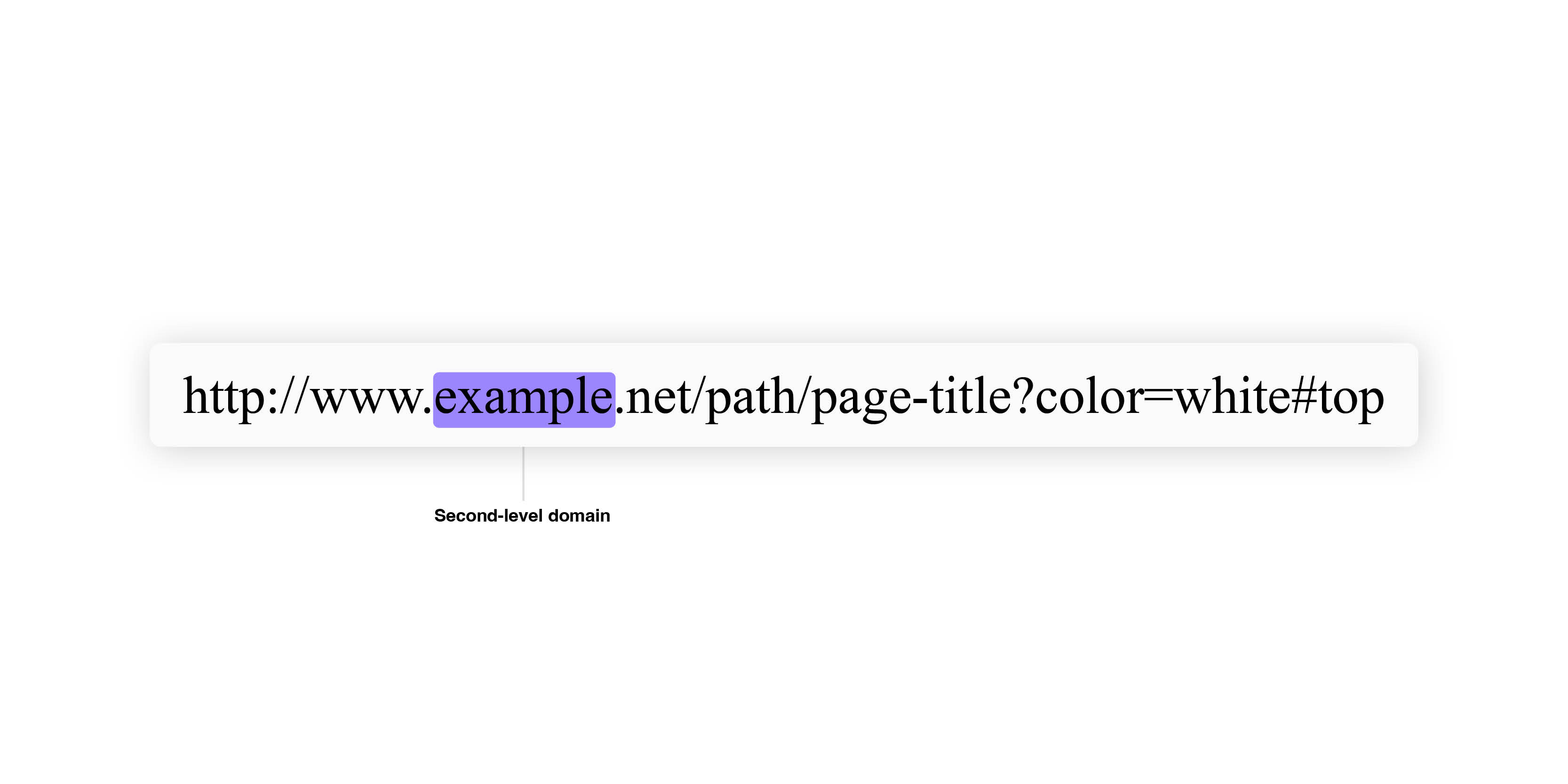
A second-level domain is a freely chosen name below a top-level domain. SLDs are always allocated at the same time as the top-level TLD. (Top Level Domain)
There are rules and regulations concerning the use of Unicode characters in domain names, especially in second-level domains (SLDs). While it may be unclear, it is generally not possible to use certain accents or non latin characters. Additionally, emojis can be used in certain cases.
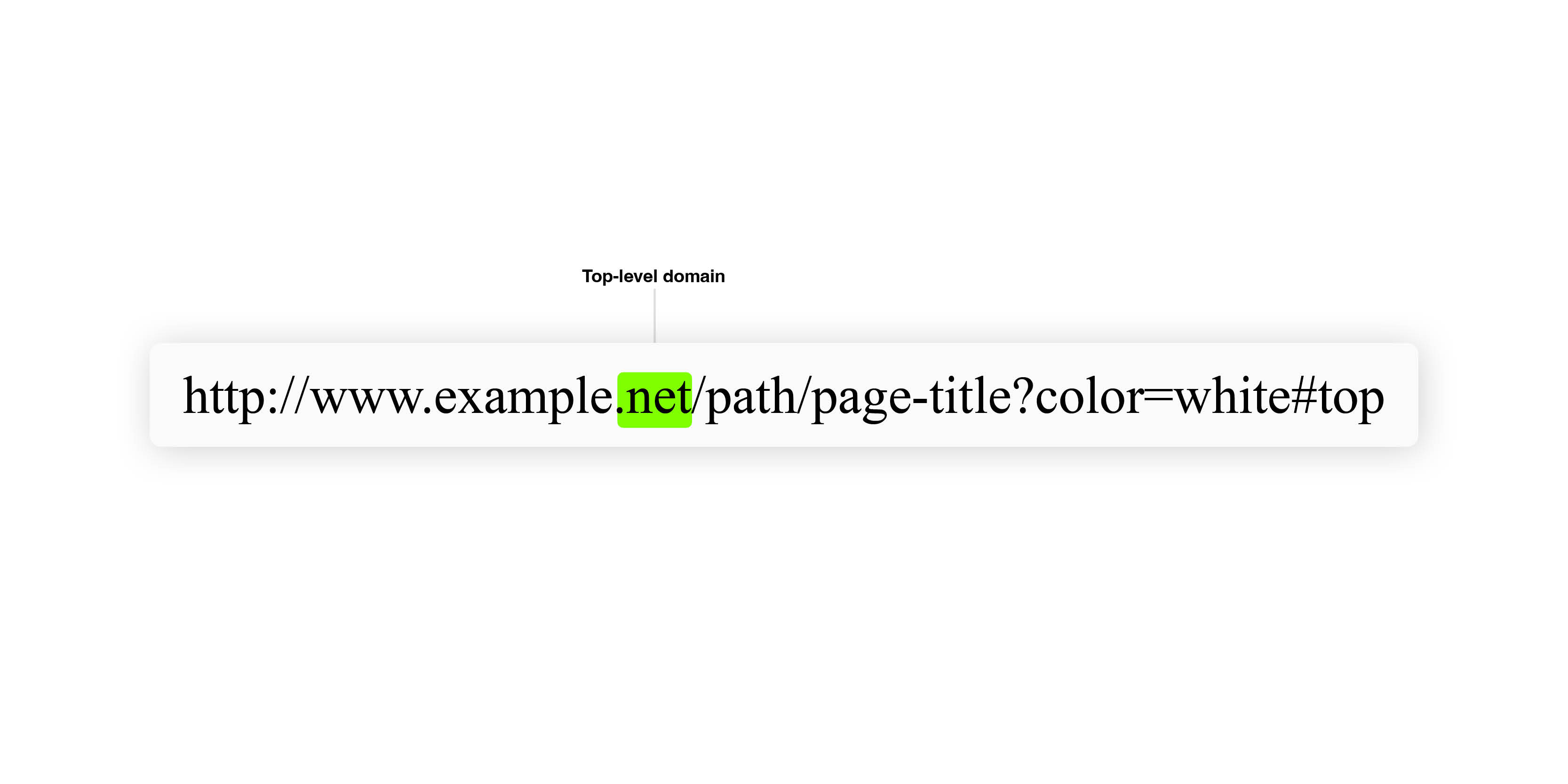
A top-level domain is the last segment of text in a domain name, such as .com or .net. Top-level domains are also called domain extensions, domain suffixes, and URL extensions. TLDs are important because they indicate the type or category of a website, such as commercial (.com), network (.net), organization (.org), or country-specific (.uk, .fr, .pe).
There is limited options and they are often subject to various restrictions regarding their usage or availability. These restrictions can differ significantly depending on the particular TLD.
The Responsibility for management of most top-level domains is delegated to specific organizations by the ICANN (Internet Corporation for Assigned Names and Numbers). ICAAN is an Internet multi-stakeholder community, which operates the Internet Assigned Numbers Authority (IANA), and is in charge of maintaining the DNS root zone. As of March 2021, the IANA root database includes 1589 TLDs. List of Internet top-level domains
Generic TLDs: Generic TLDs (gTLDs) encompass some of the more common domain names seen on the web, such as ‘.com’, ‘.net’, and ‘.org’. The Internet Corporation for Assigned Names and Numbers (ICANN) used to heavily restrict the creation of new gTLDs, but in 2010 these restrictions were relaxed. Now there are hundreds of lesser-known gTLDs, such as ‘.top’, ‘.xyz’, and ‘.loan’.
Country-code TLDs: Country-code TLDs (ccTLDs) are reserved for use by countries, sovereign states, and territories. Some examples are ‘.uk’, ‘.au’ (Australia), and ‘.jp’ (Japan). The Internet Assigned Numbers Authority (IANA), which is run by ICANN, is in charge of picking appropriate organizations in each location to manage ccTLDs.
Sponsored TLDs: These TLDs typically represent professional, ethnic, or geographical communities. Each sponsored TLD (sTLD) has a delegated sponsor that represents that community. For example, ‘.app’ is a TLD intended for the developer community, and it is sponsored by Google. Similarly, ‘.gov’ is intended for use by the U.S. government, and is sponsored by the General Services Administration.
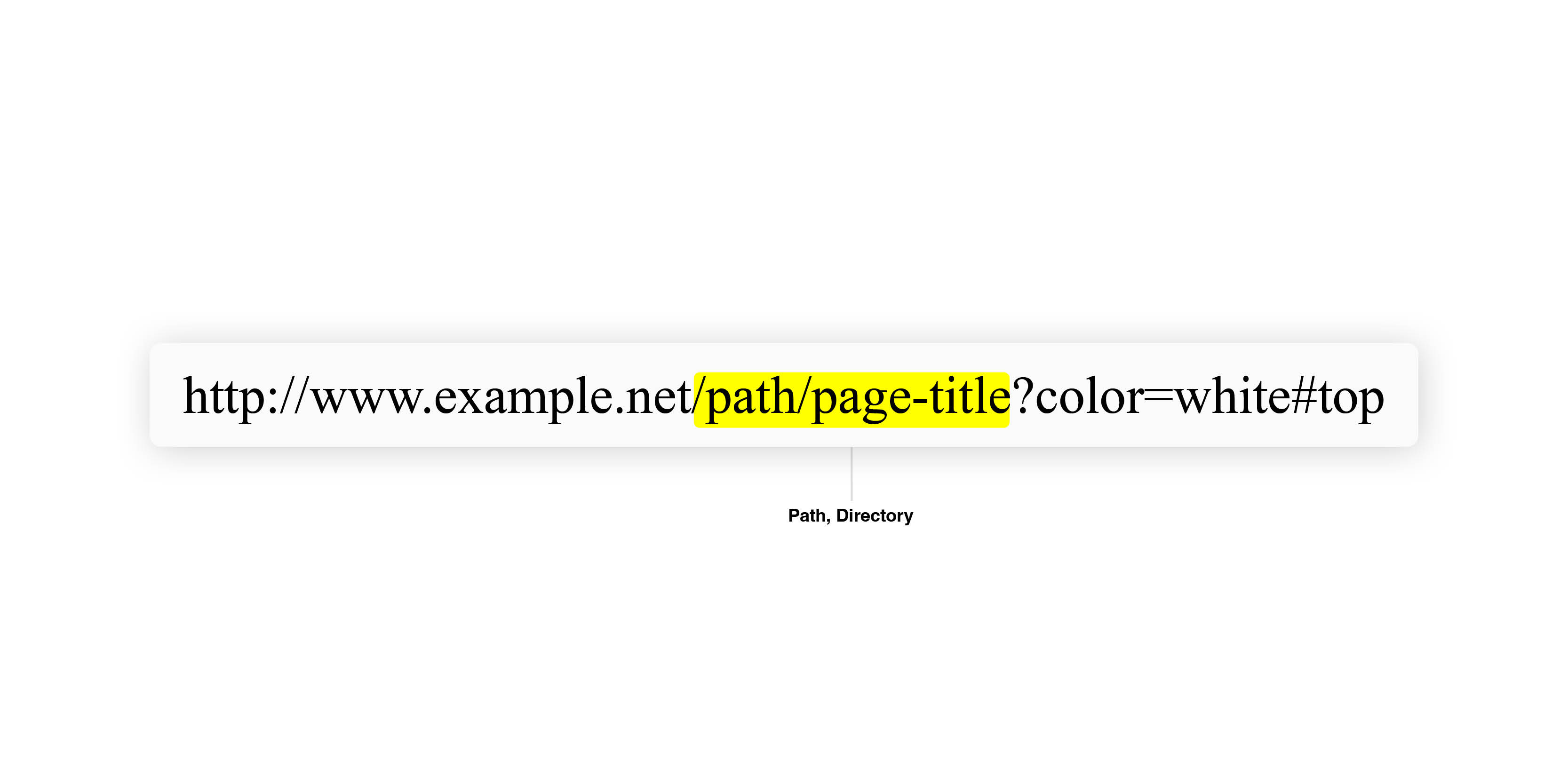
A subfolder is a folder or directory that is located within the top-most directory (or main directory) in your site hierarchy. Similar to subdomains, subfolders are used to separate website content into logical sections. This makes it easier for visitors to understand where they are on the website.
A slug is the part of a URL that identifies a specific page or a post on a website. It helps users understand the context and content of a page.
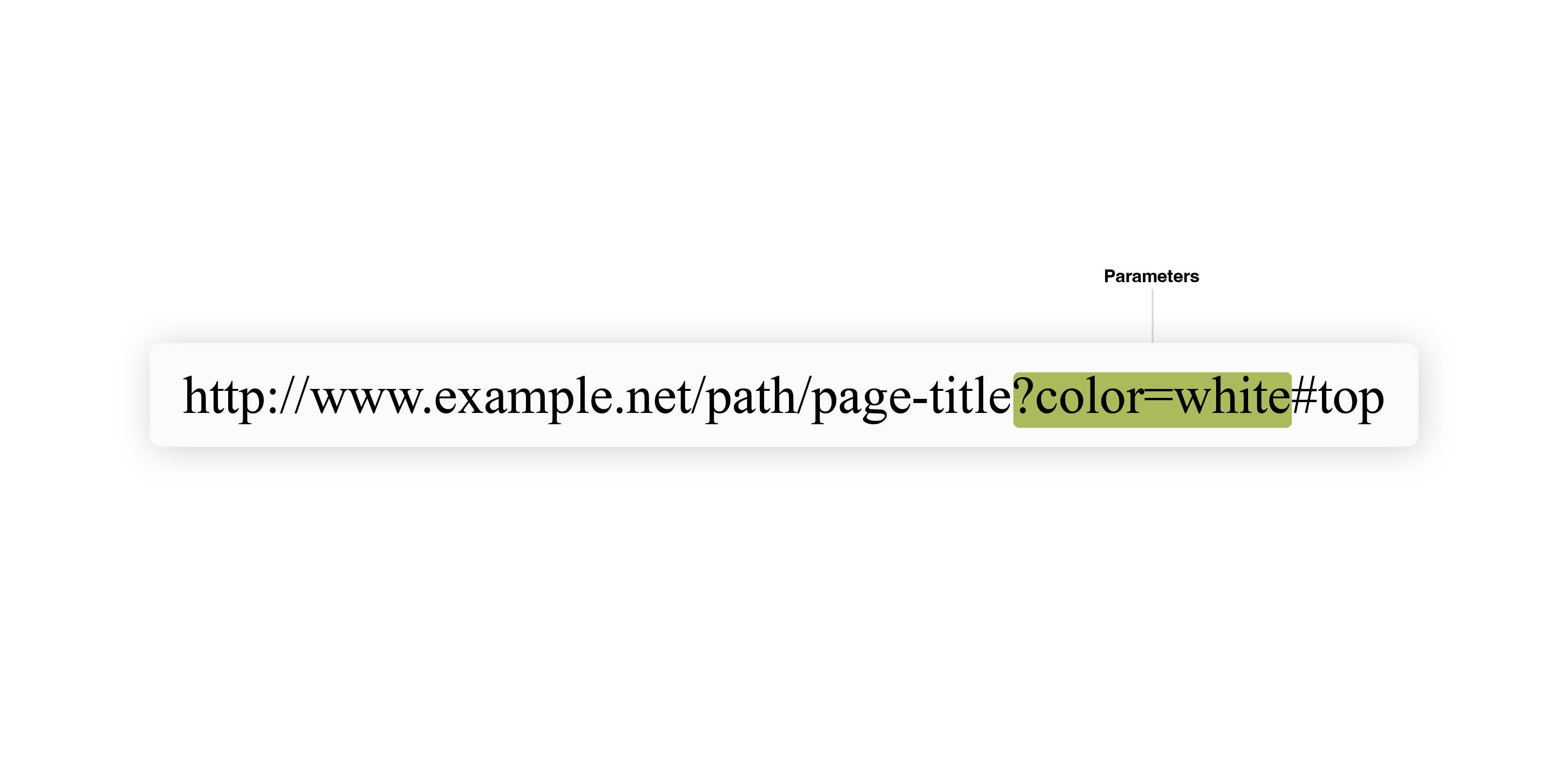
URL parameters (or query strings) are part of a URL that comes after a question mark (?). The key tells you what kind of information is being passed. The value is the actual information being passed. Parameters serve multiple use cases: (Searching, Filtering, Tracking, Paginating…)
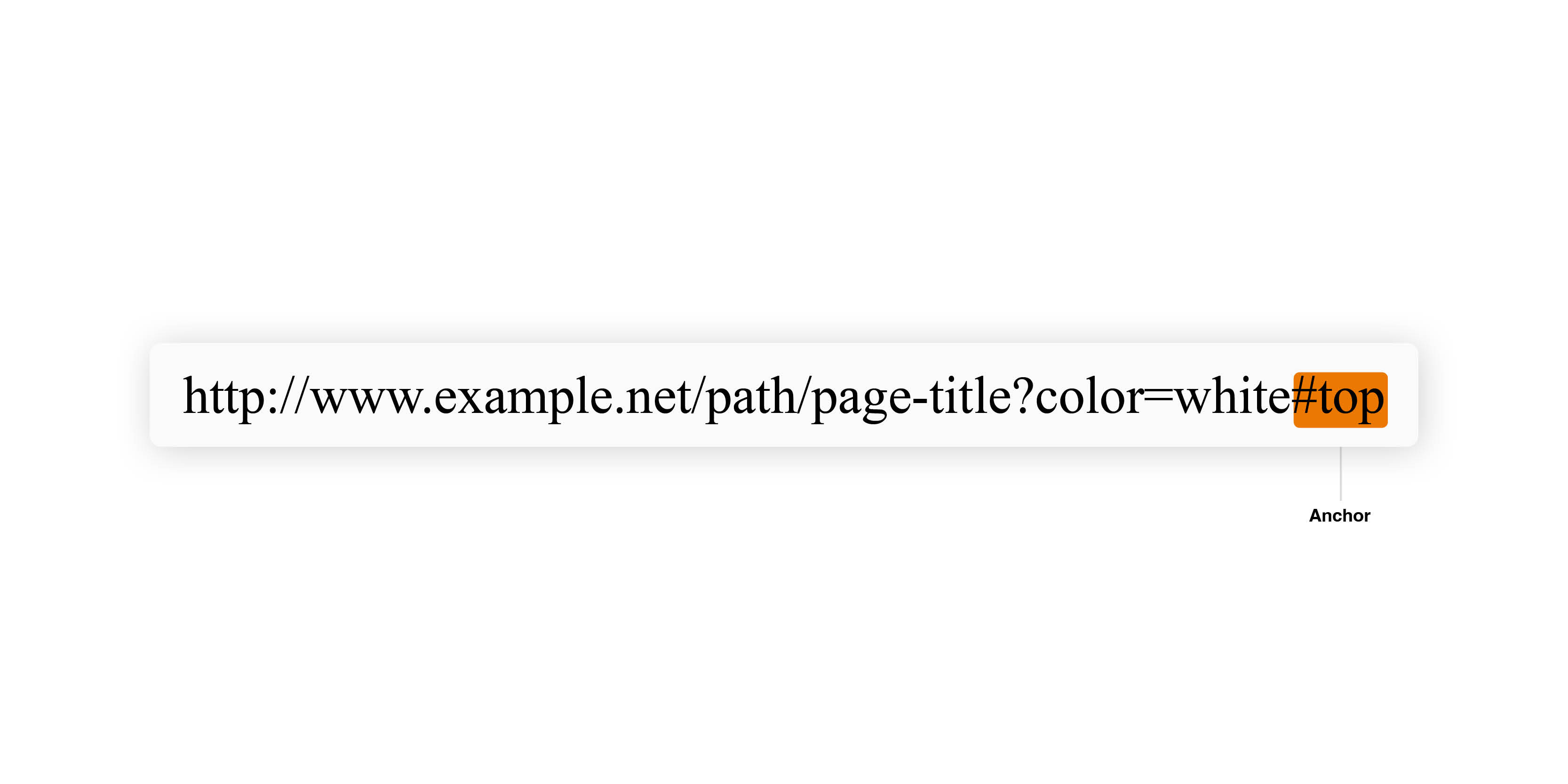
Anchors are an optional component of URLs that are typically placed at the end with a hashtag symbol (#). They indicate a specific location on the webpage like an ID or name attribute, but can also direct to other resources like a footer, or sidebar.
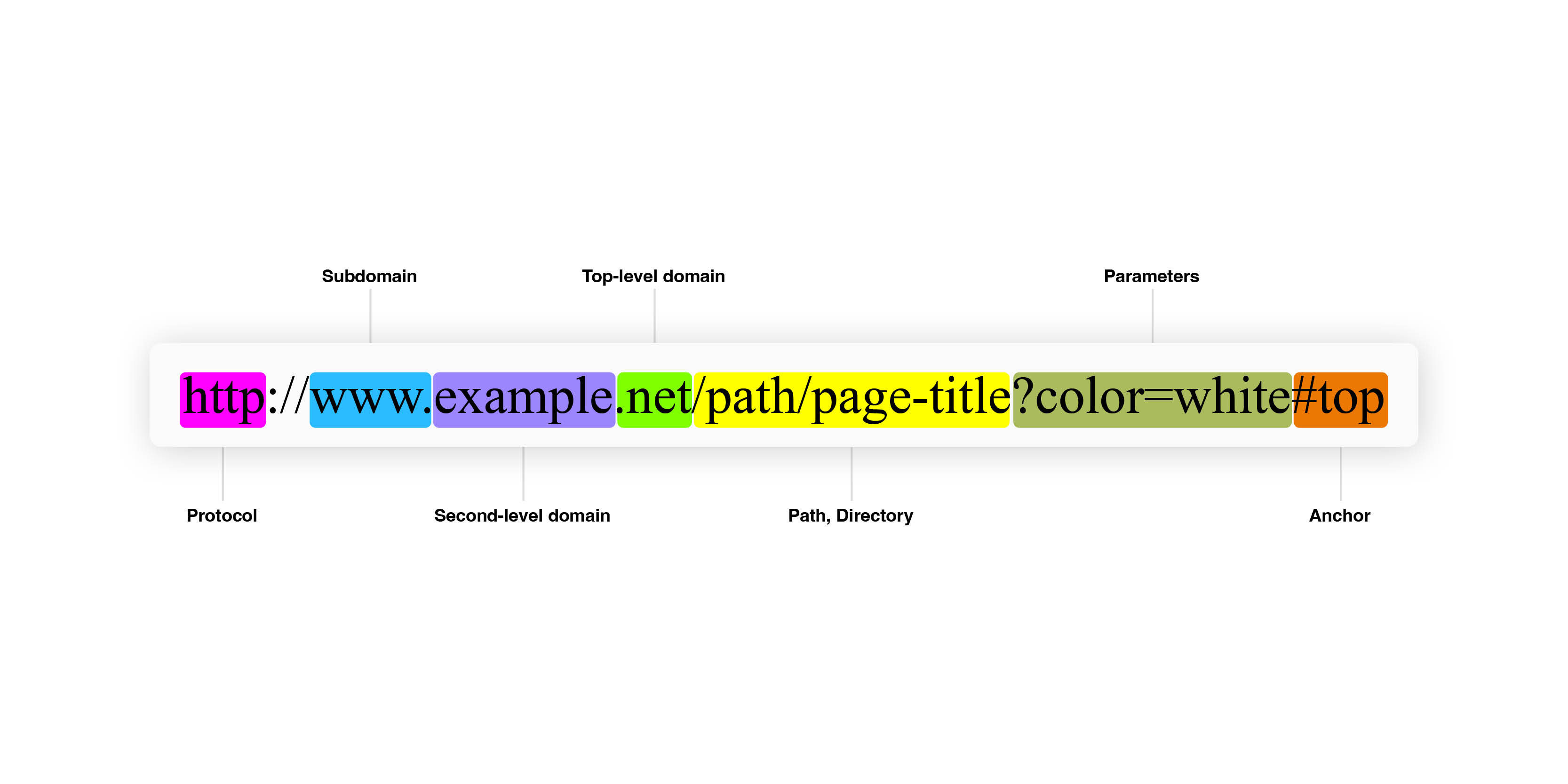
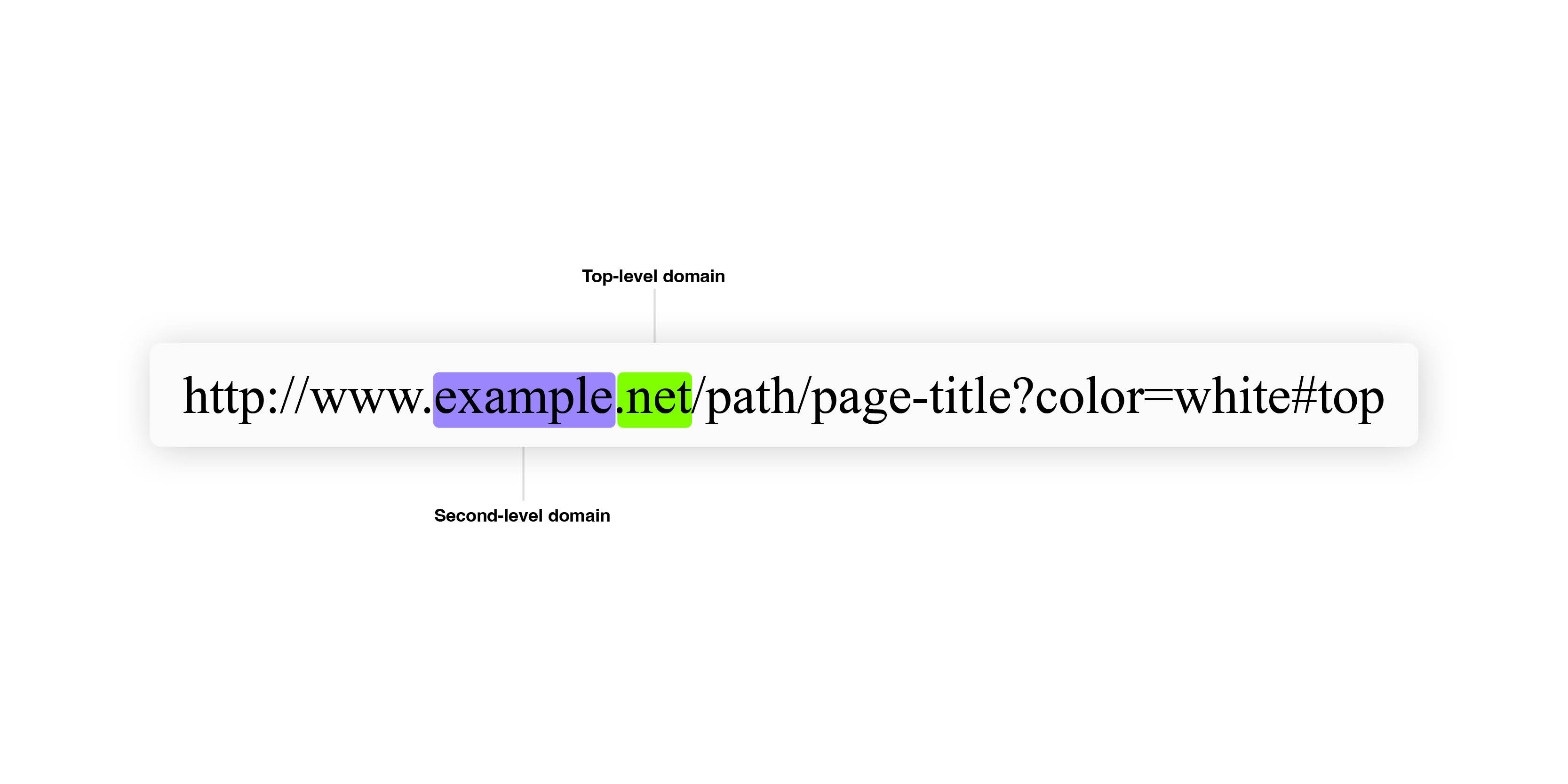
During our 2 days workshop, we are mainly going to focus on the SLD and the TLD. The different restrictions regarding market value and geographic attachment unveil a lot of stories that connect digital and IRL (in real life) experiences.

The domain name .tv is the Internet country code top-level domain (ccTLD) for Tuvalu. The “.tv” domain is open for anyone to register second-level domains. Its popularity and economic value stem from its association with “television.” In 2019, 8.4% of Tuvalu government revenue came from royalties linked to the “.tv” domain.
Tuvalu faces a risk due to rising sea levels caused by climate change. Regarding what happens to its domain if the country vanishes, ICANN mentioned that the domain could be retired regardless of the reason. This implies that if the nation ceases to exist, its top-level domain may also disappear.

Pop superstar Madonna has won her case to evict a New York cybersquatter from the Internet address “madonna.com,” which was initially a porn site. She filled complaint in July 2000 at the Geneva-based World Intellectual Property Organization against businessman Dan Parisi, who was first to register the Internet address. This type of dispute is called Cybersquatting wars

In 2006, Diamonds.com was sold for $7.5 million. This domain was originally bought for a few thousand dollars in the mid-1990s, showcasing the substantial increase in its value over time.
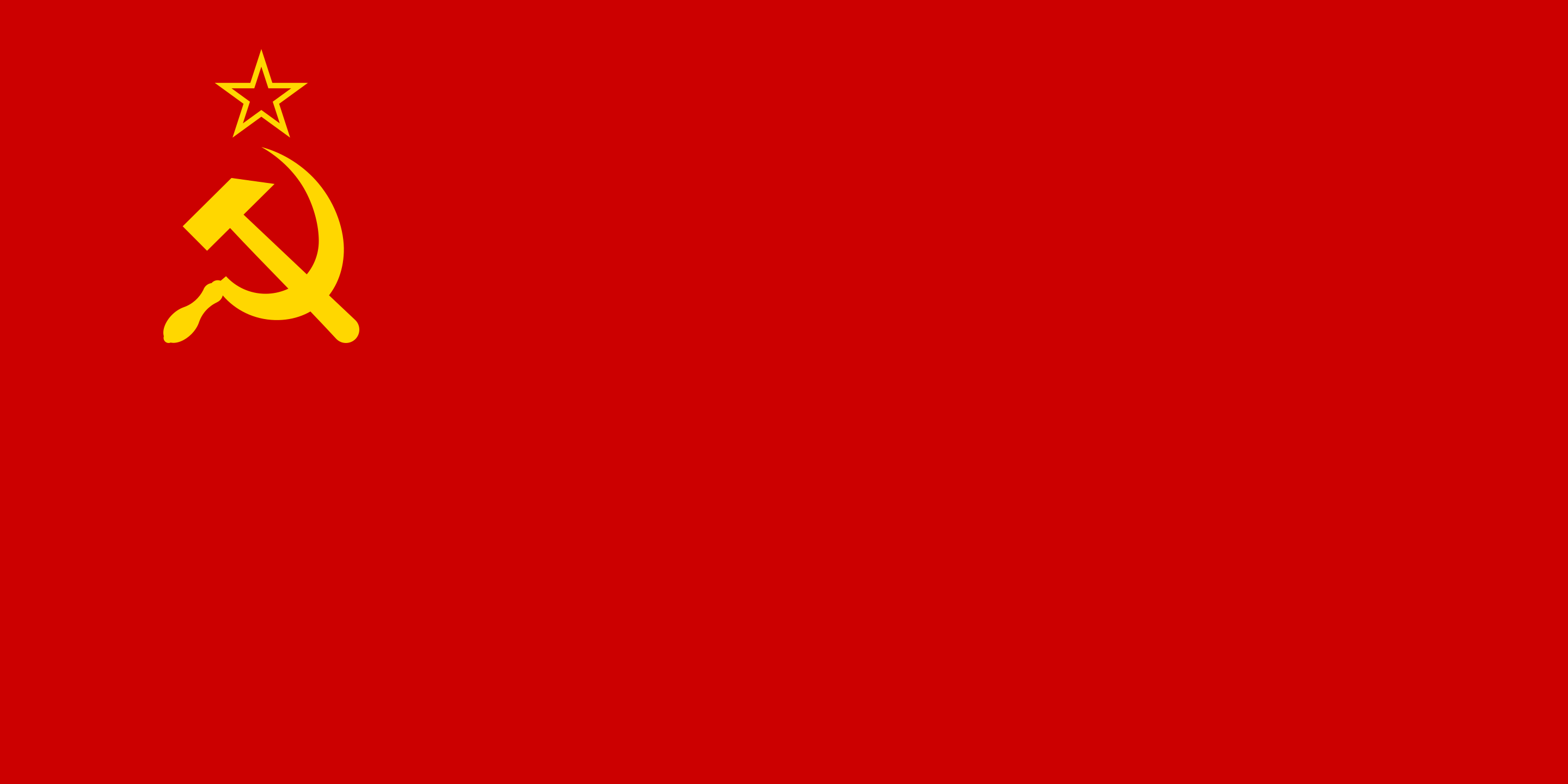
.su is an Internet country code top-level domain (ccTLD) that was designated for the Union of Soviet Socialist Republics (USSR) on 19 September 1990. Even though the Soviet Union itself was dissolved a mere 15 months later, the .su top-level domain remains in use today with over 100,000 .su domains as of February 2022. The .su TLD is known for usage by cybercriminals
Discover a specific, compelling story about URLs.
A few keywords to start your research: Domain Flipping Legal Disputes Domain Takedowns Typosquatting Wars URL Shortening Services TDLs imagery and logos …
Don’t be scared to be very specific, find a topic from which you can build a storytelling …
-Develop a contemporary and critical understanding of the web and technology by exploring a relevant research thread on URLs. -Define your narrative style to share a specific story. -Experiment with challenges in online publishing and group decision-making. -Explore web tools (Etherpad here) and their unique constraints to enhance understanding of the specific structures of this medium.